What is dump box rental and how does it work?
Dump box rental is a short-term agreement where a contractor pays a daily, weekly, or monthly rate to use a self-dumping debris box without purchasing it. The rental company handles delivery, pickup, and maintenance, and the contractor pays based on duration plus any fees for damage, overage, or late return.
Is it cheaper to rent or buy a dump box?
Buying is almost always cheaper for contractors who use a dump box more than two or three times per month. Dump box rental makes more financial sense for low-frequency or one-off projects where a purchased box would otherwise sit idle between jobs.
What is a self dumping hopper and how is it different from a standard dump box?
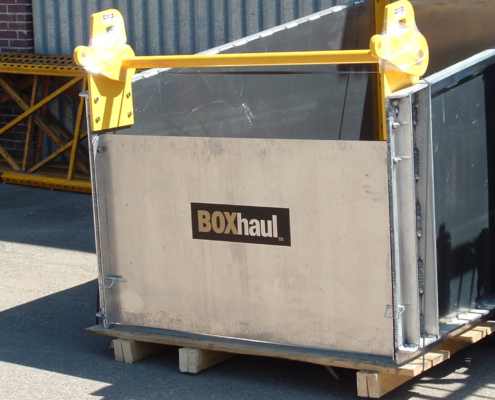
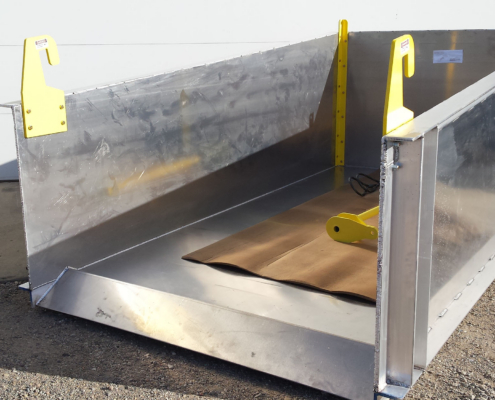
A self dumping hopper tips and empties automatically when triggered by a forklift or crane during a lift cycle. Standard dump boxes may require manual unloading or an external mechanism. Self dumping hoppers reduce labor time and improve crew safety on every dump cycle.
Can a forklift hopper be rented, or do most commercial contractors buy them?
Both options are available, but forklift hoppers used in regular commercial work are more commonly owned than rented. Ownership gives crews consistent access to familiar equipment and eliminates the booking logistics that come with pulling rentals across multiple active jobsites.
What hidden costs should I expect with dump box rental?
Beyond the base rate, dump box rental typically adds delivery and pickup fees, damage liability charges, late-return penalties, and seasonal markups when demand peaks. These costs can significantly increase what a contractor actually pays compared to the quoted rate.
How long does it take to break even when buying a dump box instead of renting?
Most commercial contractors see ownership become more cost-effective within one to two years of regular use. Crews running a dump box multiple times per week often reach that breakeven point considerably faster.
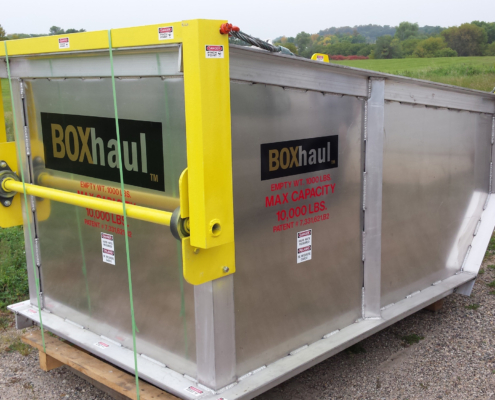
What should I look for when buying a construction hopper?
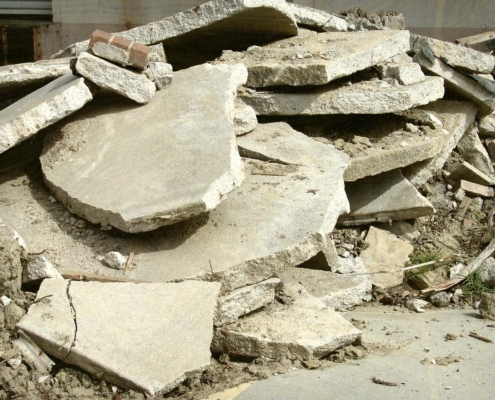
Focus on load capacity, material compatibility, fork pocket design, and build quality. A U.S.-manufactured construction hopper with no hydraulic or mechanical parts reduces maintenance overhead and minimizes downtime. Match capacity to your most common debris load with room to handle denser materials like concrete or masonry.