Finding the Right Construction Waste Container: Dump Boxes Vs. Roll-Off Containers
This guide breaks down the key differences between dump boxes vs. roll-off containers so you can choose the best fit for your workflow.

Before diving into the details, let’s clarify what we’re comparing.
Roll-off containers are large, steel bins typically used for heavy debris and jobsite waste. They’re delivered and picked up by a roll-off truck, which lifts the container and “rolls” it off at the jobsite. These are common in large-scale construction, demolition, and renovation work.
Dump boxes are smaller, self-dumping containers that can be lifted and emptied using equipment already on site: like cranes or extended reach forklifts. They’re designed for ease of use, mobility, and fast turnaround.
While both serve a similar purpose, they operate in very different ways. And that’s where the comparison gets interesting.
One of the biggest differences between dump boxes and roll-off construction waste containers is mobility.
Roll-off containers are heavy and stationary. Once they’re dropped into place, they usually stay put until full. Moving them requires coordination with a trucking service, which isn’t always fast or flexible, especially on a busy site.
Dump boxes, by contrast, are made to move. Because they’re lighter and crane or forklift compatible, you can reposition them as needed throughout the day. This is a major advantage on fast-paced jobsites or in environments with changing access points, like multi-level construction or tight urban lots.
If your crew needs to shift collection points often, or if you want to avoid delays waiting on container swaps, dump boxes offer a clear edge.
Setting up a roll-off construction waste container usually involves external scheduling. You’ll need to coordinate drop-off and pick-up with a third-party hauler, ensure there’s clearance for their truck, and plan around delivery windows. That can create friction if the schedule shifts or access becomes blocked.
Dump boxes eliminate that entire process. As long as your site has lifting equipment (which most do), you can unload, stage, and reposition the container whenever needed. There’s no waiting on outside vendors, no delivery appointments, and no need to work around truck access. For crews trying to maximize uptime and reduce idle time, this simplicity matters.
Roll-off containers are built to carry large volumes: typically between 10 and 40 cubic yards, depending on size. They’re great for bulk debris, but they come with tradeoffs: higher walls, more difficult access, and more effort required to load.
Dump boxes hold less per unit (BOXhaul models range from ~3 to ~5.25+ cubic yards standard), but they’re designed to be easier to load, lift, and empty. The self-dumping feature means the container tips itself when raised—no need for someone to manually open gates, shovel material out, or monitor the dumping process.
This makes them highly efficient for short-haul jobs, repetitive material collection, and workflows where smaller, faster cycles make more sense than one large bin.
Another overlooked factor is the dump angle. Roll-offs typically require mechanical tilting via the truck bed, and not all haulers can lift the container far enough to completely clear compacted material. In some cases, the bin returns to the site with residue still inside.
Dump boxes offer steeper, more controlled dumping angles—especially when lifted by crane or tipped with a fork truck. The natural dump motion clears debris more effectively, helping crews avoid leftover waste and the time-consuming process of cleaning out containers between loads.
When it comes to safety, dump boxes offer some distinct advantages. Roll-off construction waste containers are heavy, tall, and often placed in high-traffic zones. Their raised edges can become trip hazards, and manually loading them (especially over the side) increases the risk of strain and injury.
Dump boxes sit lower to the ground, reducing the risk of slips or falls during loading. And because their dumping mechanism is passive (powered by the lift itself rather than hydraulics) they eliminate the risk of system failure or mechanical pinch points.
In terms of maintenance, dump boxes are easier to care for. Without hydraulic lines, motors, or mechanical parts, there’s less that can go wrong. A routine check of welds and lift points is typically all that’s required to keep them job-ready.
Explore our lineup of self-dumping dump boxes designed for busy jobsites that need smarter material handling.
Cost isn’t just about the container itself, it’s about what it takes to use it effectively.
Roll-off construction waste containers may seem economical at first, especially for longer-term use, but they come with recurring costs: delivery fees, pickup fees, fuel surcharges, and coordination time. Any time your crew is waiting on a swap, you’re paying in productivity loss.
Dump boxes require a higher up-front investment (particularly if you’re purchasing instead of renting), but they often pay off quickly. With fewer moving parts, less maintenance, and no reliance on third-party scheduling, they reduce downtime and increase daily output.
Over time, the simplicity and mobility of dump boxes translate into real savings, especially for teams that need to move fast and stay flexible.
If you’re dealing with high-volume debris in a centralized location and have limited access to on-site lifting equipment, roll-offs can still serve you well.
But for jobs that require mobility, fast setup, and frequent dumps, dump boxes are often the better fit.
Choosing the right container for your jobsite can improve safety, cut down on wasted time, and save money over the life of your project. If roll-offs have always been your default, it might be time to take a closer look at dump boxes.
Reach out to us to learn more about smarter, more mobile options for managing construction waste.
 https://boxhaul.com/wp-content/uploads/2023/10/hinge-door.jpg
1250
2000
Abstrakt Marketing
/wp-content/uploads/2023/10/BOXhaul_Logo.png
Abstrakt Marketing2026-10-16 14:07:042026-10-16 14:07:10Beyond the Dumpster: Using Self-Dumping Dump Boxes for On-Site Material Distribution
https://boxhaul.com/wp-content/uploads/2023/10/hinge-door.jpg
1250
2000
Abstrakt Marketing
/wp-content/uploads/2023/10/BOXhaul_Logo.png
Abstrakt Marketing2026-10-16 14:07:042026-10-16 14:07:10Beyond the Dumpster: Using Self-Dumping Dump Boxes for On-Site Material Distribution https://boxhaul.com/wp-content/uploads/2023/10/Custom-Gate-BOXhaul-1.jpg
1250
2000
Abstrakt Marketing
/wp-content/uploads/2023/10/BOXhaul_Logo.png
Abstrakt Marketing2026-10-01 11:26:282026-10-01 11:26:36Skip Box for Crane Work vs. Dump Box on Commercial Sites
https://boxhaul.com/wp-content/uploads/2023/10/Custom-Gate-BOXhaul-1.jpg
1250
2000
Abstrakt Marketing
/wp-content/uploads/2023/10/BOXhaul_Logo.png
Abstrakt Marketing2026-10-01 11:26:282026-10-01 11:26:36Skip Box for Crane Work vs. Dump Box on Commercial Sites https://boxhaul.com/wp-content/uploads/2026/06/Engineer-architect-and-worker-operation-control-demolish-old-building.jpg
1250
2000
Abstrakt Marketing
/wp-content/uploads/2023/10/BOXhaul_Logo.png
Abstrakt Marketing2026-06-12 09:00:002026-06-09 08:00:55Why Concrete Disposal Cost Is One of the Most Expensive Construction Site Problems
https://boxhaul.com/wp-content/uploads/2026/06/Engineer-architect-and-worker-operation-control-demolish-old-building.jpg
1250
2000
Abstrakt Marketing
/wp-content/uploads/2023/10/BOXhaul_Logo.png
Abstrakt Marketing2026-06-12 09:00:002026-06-09 08:00:55Why Concrete Disposal Cost Is One of the Most Expensive Construction Site Problems https://boxhaul.com/wp-content/uploads/2026/06/aged-and-worn-vintage-photo-of-concrete-rubble.jpg
1250
2000
Abstrakt Marketing
/wp-content/uploads/2023/10/BOXhaul_Logo.png
Abstrakt Marketing2026-06-11 09:00:002026-06-09 08:00:42Concrete vs. Mixed Debris: Does Material Type Affect Which Dump Box You Need?
https://boxhaul.com/wp-content/uploads/2026/06/aged-and-worn-vintage-photo-of-concrete-rubble.jpg
1250
2000
Abstrakt Marketing
/wp-content/uploads/2023/10/BOXhaul_Logo.png
Abstrakt Marketing2026-06-11 09:00:002026-06-09 08:00:42Concrete vs. Mixed Debris: Does Material Type Affect Which Dump Box You Need? https://boxhaul.com/wp-content/uploads/2026/06/New-residential-construction-home-framing-against-a-blue-sky.jpg
1250
2000
Abstrakt Marketing
/wp-content/uploads/2023/10/BOXhaul_Logo.png
Abstrakt Marketing2026-06-10 09:00:002026-06-09 08:00:31Why Loose Framing Waste Is One of the Biggest Jobsite Safety Hazards
https://boxhaul.com/wp-content/uploads/2026/06/New-residential-construction-home-framing-against-a-blue-sky.jpg
1250
2000
Abstrakt Marketing
/wp-content/uploads/2023/10/BOXhaul_Logo.png
Abstrakt Marketing2026-06-10 09:00:002026-06-09 08:00:31Why Loose Framing Waste Is One of the Biggest Jobsite Safety Hazards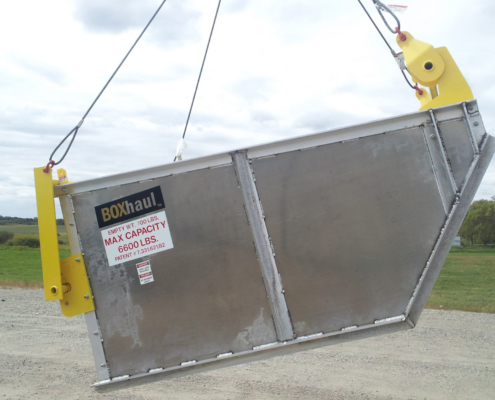 https://boxhaul.com/wp-content/uploads/2023/10/2011-09-16-13.24.06-1.jpg
1250
2000
Abstrakt Marketing
/wp-content/uploads/2023/10/BOXhaul_Logo.png
Abstrakt Marketing2026-03-23 16:43:382026-05-17 15:56:03Debris Dump Boxes vs. Traditional Debris Handling
https://boxhaul.com/wp-content/uploads/2023/10/2011-09-16-13.24.06-1.jpg
1250
2000
Abstrakt Marketing
/wp-content/uploads/2023/10/BOXhaul_Logo.png
Abstrakt Marketing2026-03-23 16:43:382026-05-17 15:56:03Debris Dump Boxes vs. Traditional Debris Handling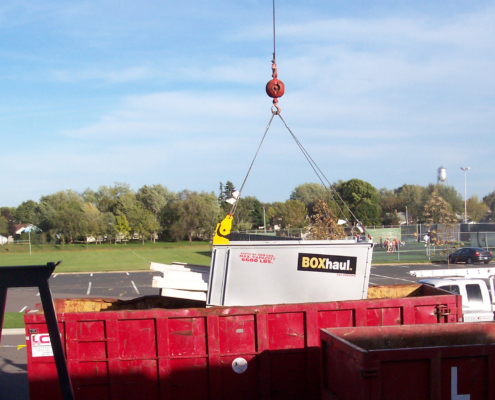 https://boxhaul.com/wp-content/uploads/2023/10/BOXHAUL-029.jpg
1250
2000
Abstrakt Marketing
/wp-content/uploads/2023/10/BOXhaul_Logo.png
Abstrakt Marketing2025-10-09 14:04:002026-05-17 15:56:05Dump Trucks Vs. Dump Boxes for Demolition: Making the Right Choice
https://boxhaul.com/wp-content/uploads/2023/10/BOXHAUL-029.jpg
1250
2000
Abstrakt Marketing
/wp-content/uploads/2023/10/BOXhaul_Logo.png
Abstrakt Marketing2025-10-09 14:04:002026-05-17 15:56:05Dump Trucks Vs. Dump Boxes for Demolition: Making the Right Choice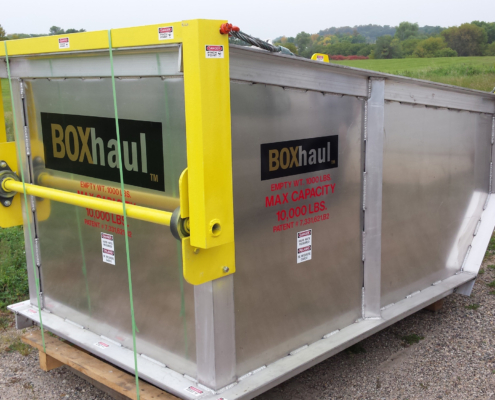 https://boxhaul.com/wp-content/uploads/2023/10/2014-09-19-14.26.32.jpg
1250
2000
Abstrakt Marketing
/wp-content/uploads/2023/10/BOXhaul_Logo.png
Abstrakt Marketing2025-08-22 14:12:052026-10-16 14:08:37How BOXhaul Dump Boxes Are Engineered for Harsh Conditions
https://boxhaul.com/wp-content/uploads/2023/10/2014-09-19-14.26.32.jpg
1250
2000
Abstrakt Marketing
/wp-content/uploads/2023/10/BOXhaul_Logo.png
Abstrakt Marketing2025-08-22 14:12:052026-10-16 14:08:37How BOXhaul Dump Boxes Are Engineered for Harsh Conditions https://boxhaul.com/wp-content/uploads/2025/07/Green-metal-skip-full-of-broken-brick-and-stone-material-on-construction-site.jpg
1250
2000
Abstrakt Marketing
/wp-content/uploads/2023/10/BOXhaul_Logo.png
Abstrakt Marketing2025-07-28 10:28:502026-05-17 15:56:06Dump Box Selection Per Construction Site Type: Our Guide
https://boxhaul.com/wp-content/uploads/2025/07/Green-metal-skip-full-of-broken-brick-and-stone-material-on-construction-site.jpg
1250
2000
Abstrakt Marketing
/wp-content/uploads/2023/10/BOXhaul_Logo.png
Abstrakt Marketing2025-07-28 10:28:502026-05-17 15:56:06Dump Box Selection Per Construction Site Type: Our Guide