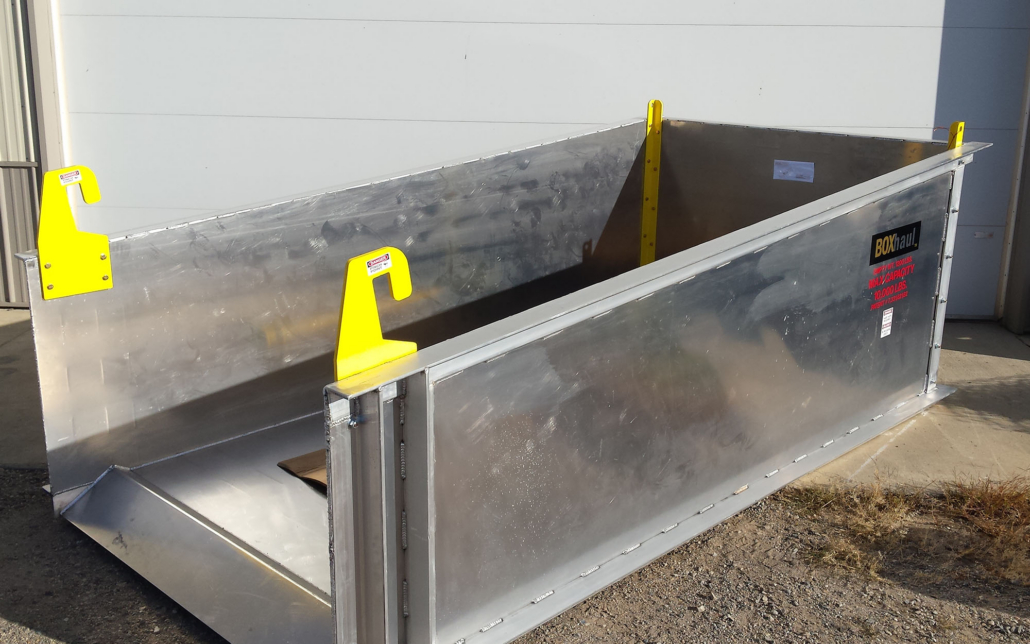
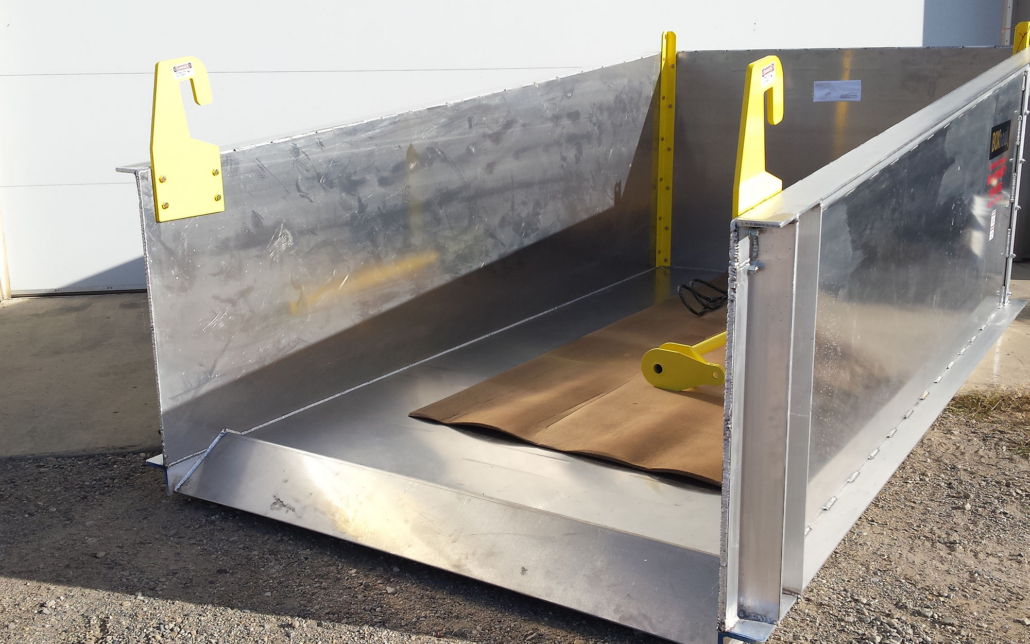
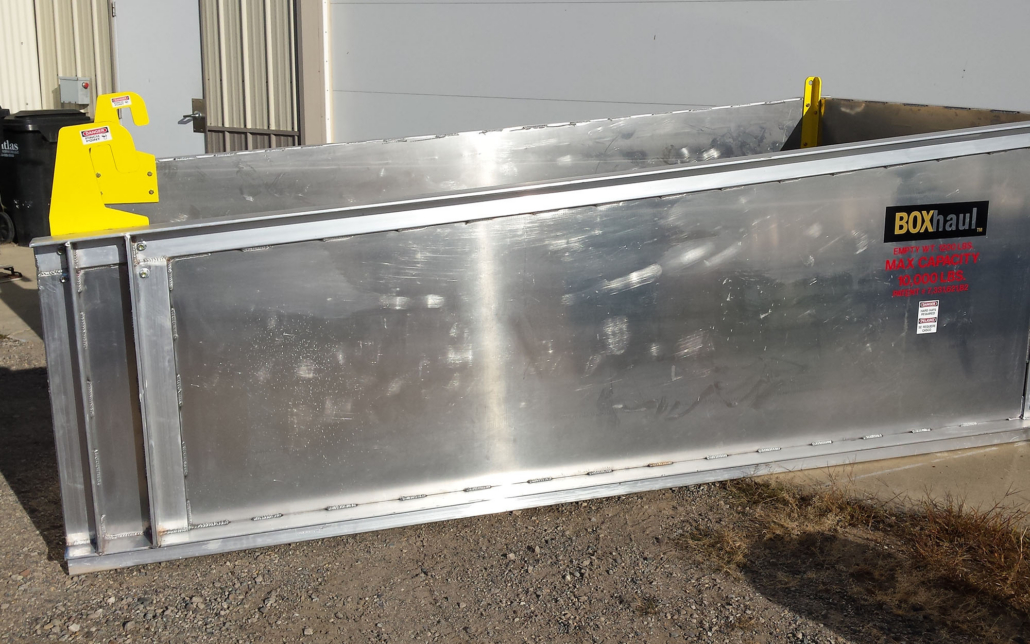
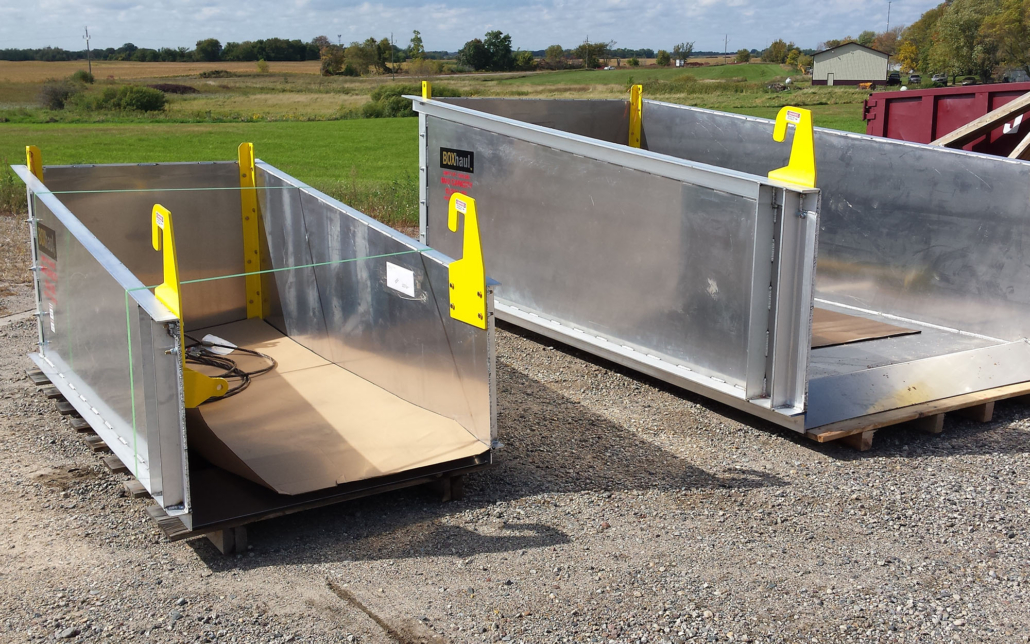
The BOXhaul Dump Box
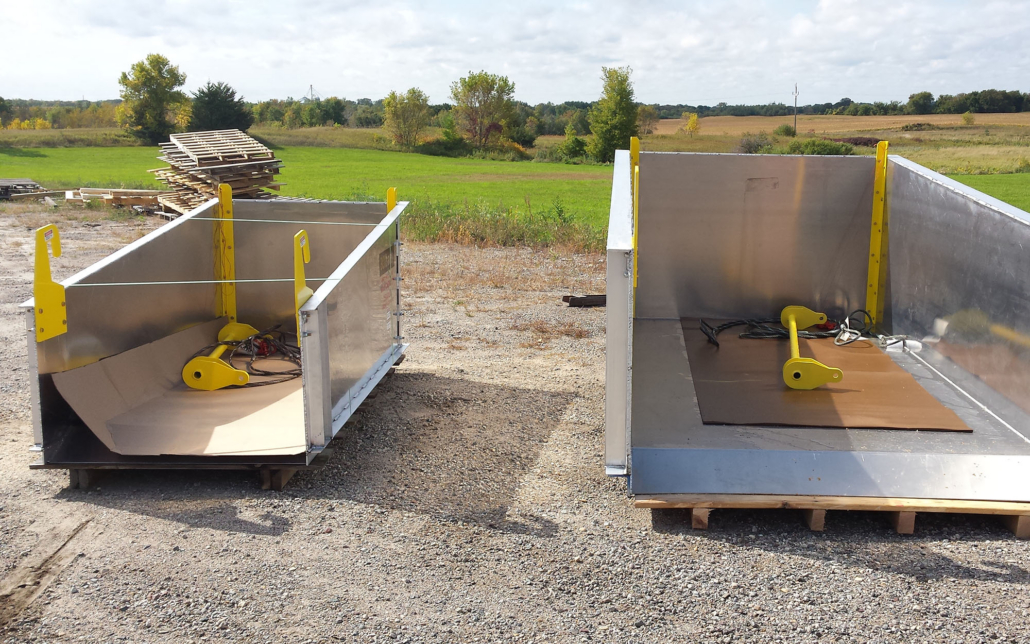
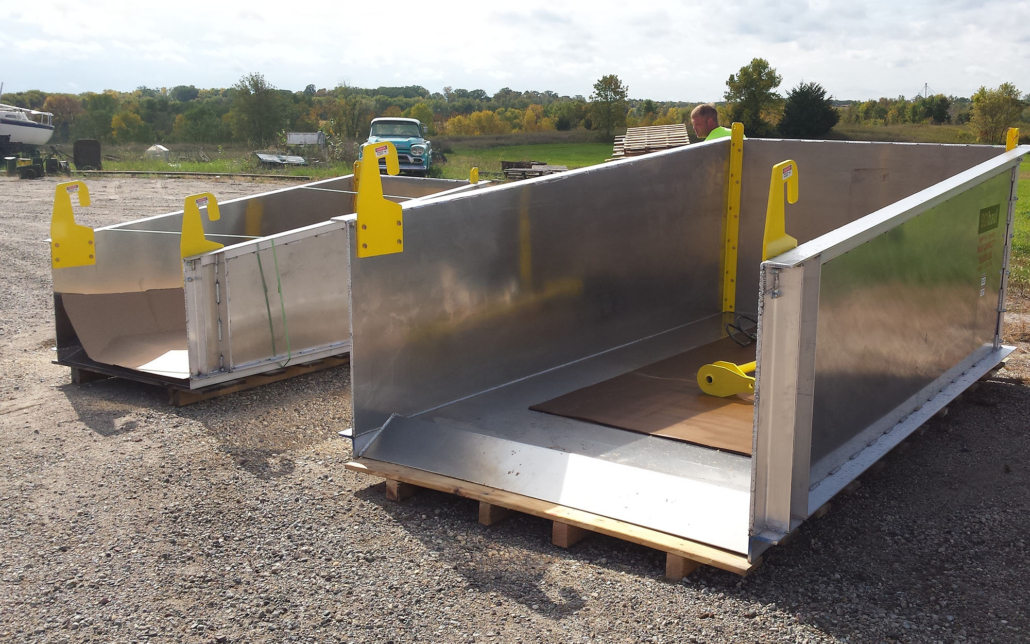
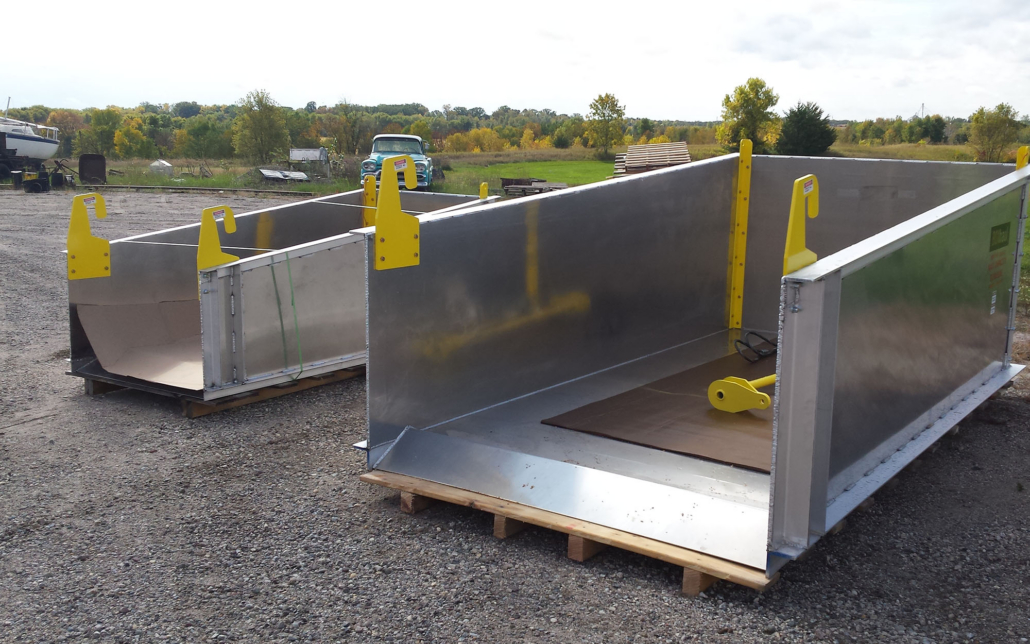
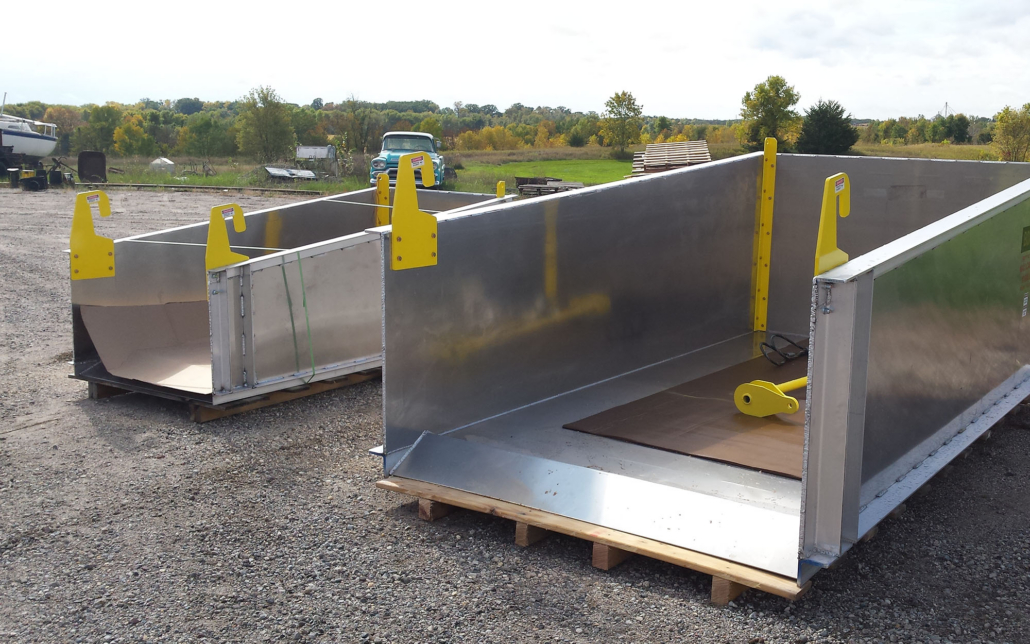
High-capacity, lightweight, and built to simplify material handling.

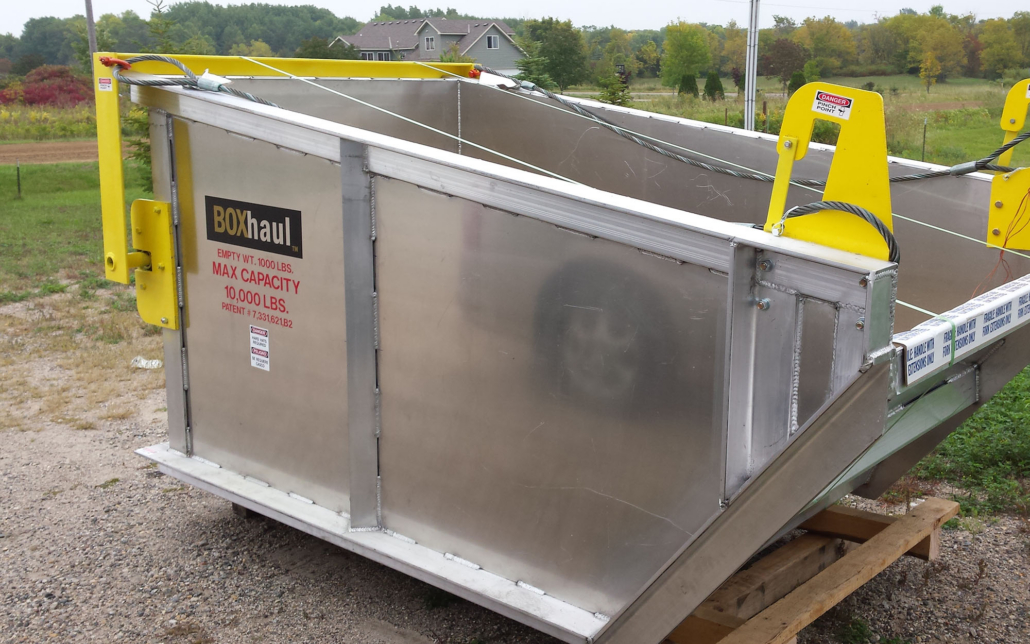
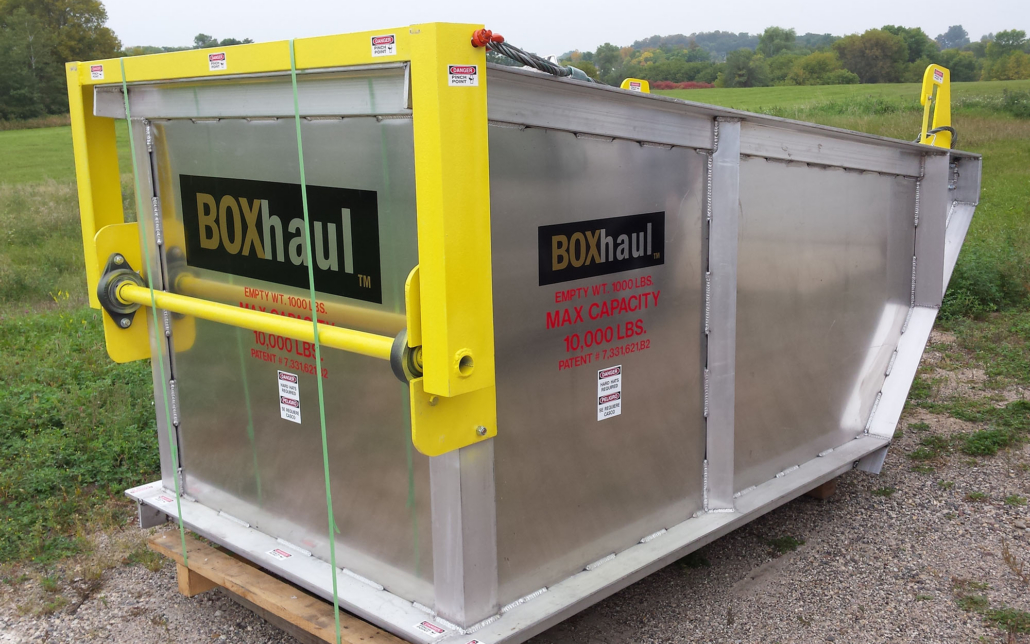
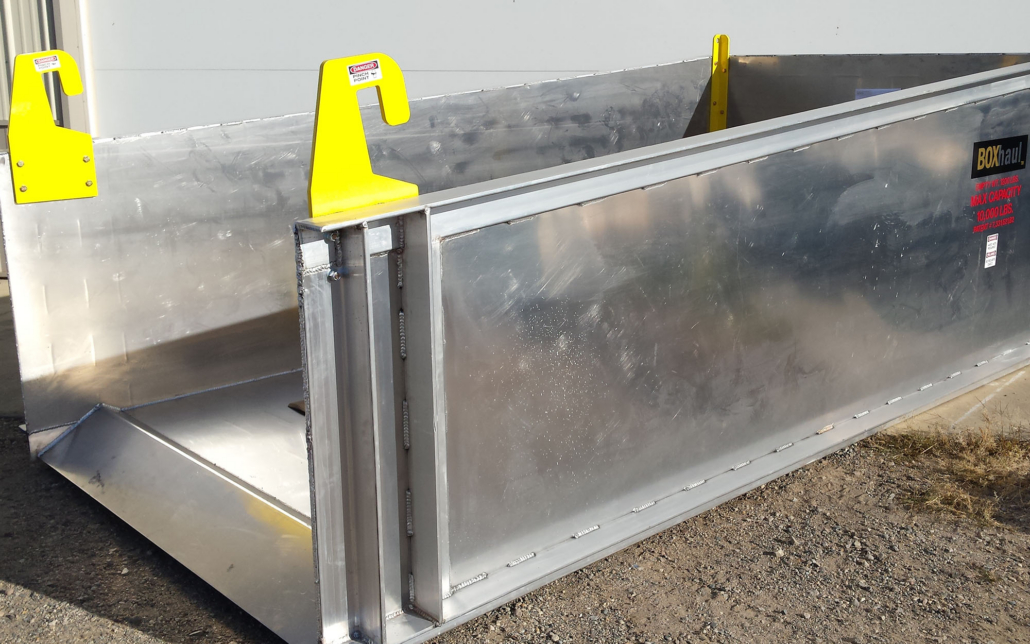
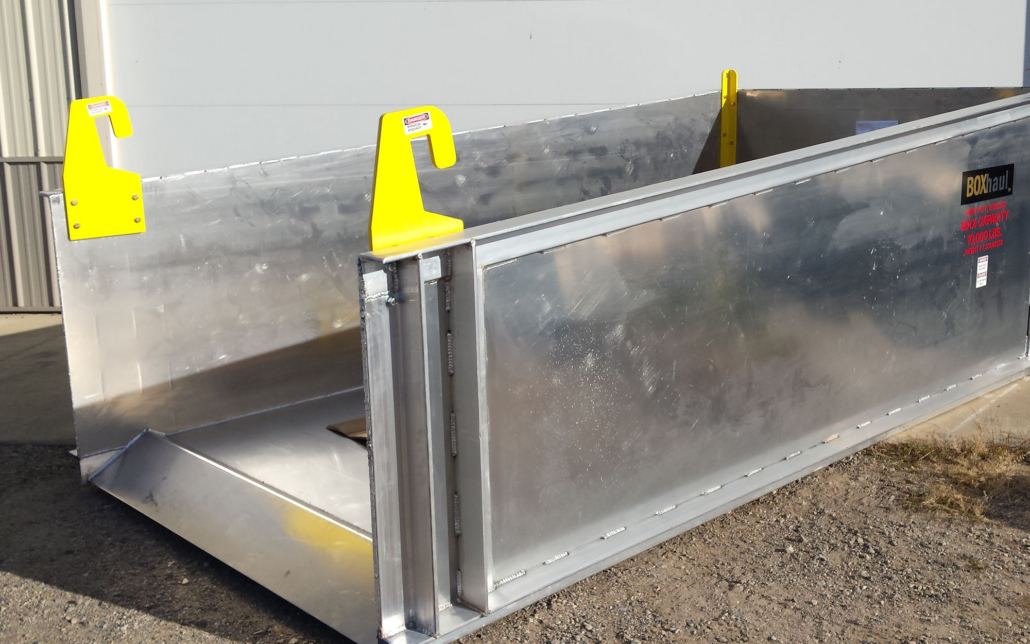
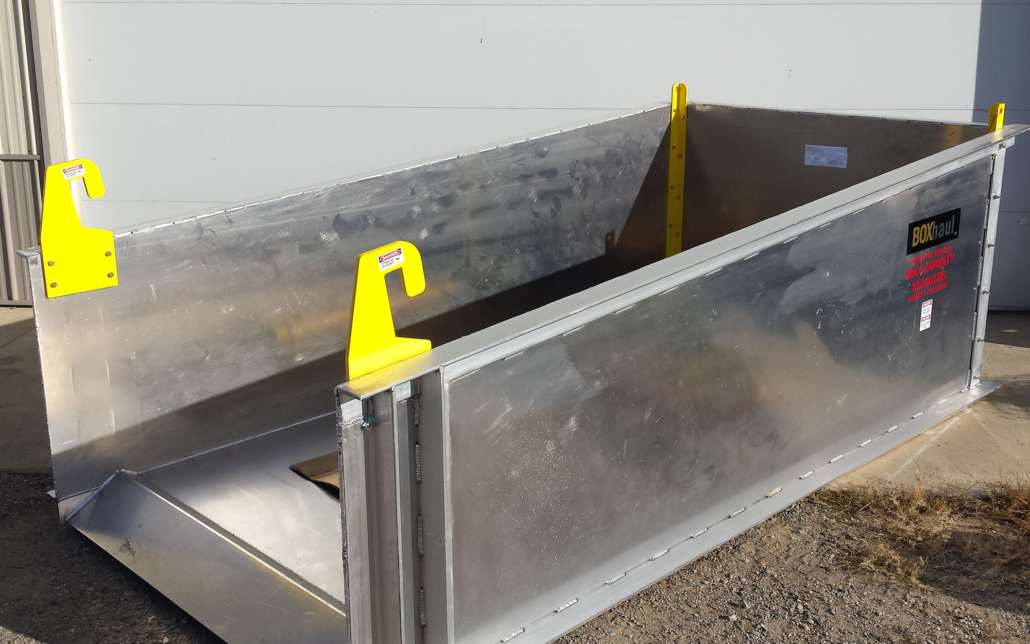
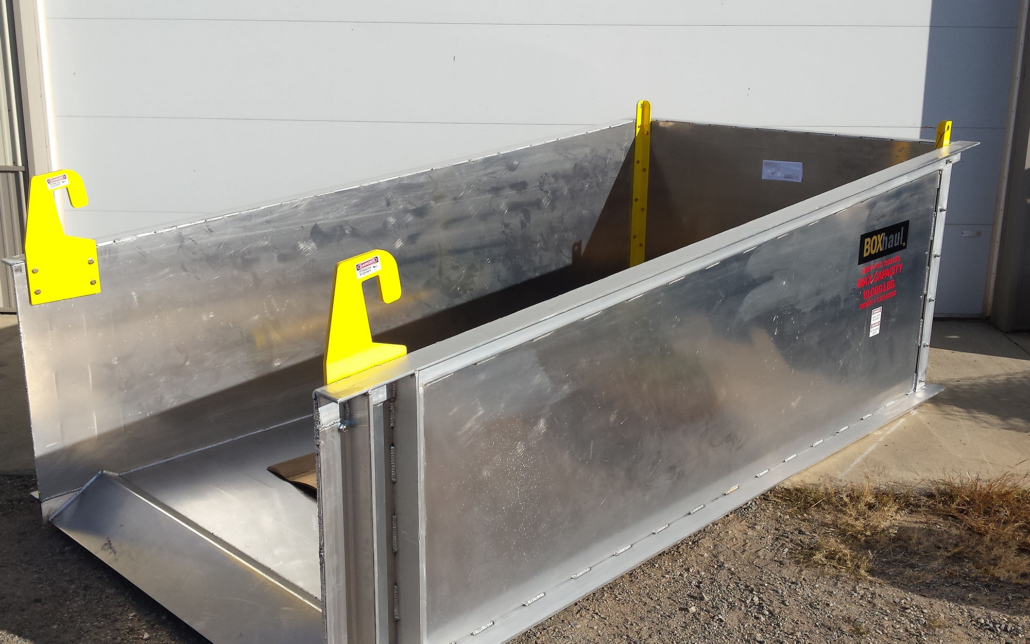
BOXhaul is built to reduce labor, improve safety, and eliminate downtime caused by inefficient waste handling. Whether you’re managing a single site or multiple crews, the right dump box makes a measurable difference.
| BOXhaul | Traditional | |
|---|---|---|
| Dumping & Operation | Self-dumps automatically using gravity—no hydraulics or manual release | Often requires manual labor, tools, or hydraulic systems |
| Labor Requirements | One operator can load and dump | Higher labor involvement and handling time |
| Efficiency | Faster loading and unloading with fewer workflow interruptions | Slower cycles and frequent repositioning |
| Safety | Reduced manual handling and better debris containment | Increased risk from hauling, open piles, and unstable bins |
| Maintenance | Fewer moving parts, minimal maintenance | More components that require upkeep or fail |
| Capacity & Flexibility | Multiple sizes and custom options available | Fixed sizes with limited adaptability |
| Cost Over Time | Lower labor and maintenance costs improve long-term ROI | Lower upfront cost but higher operational expense |
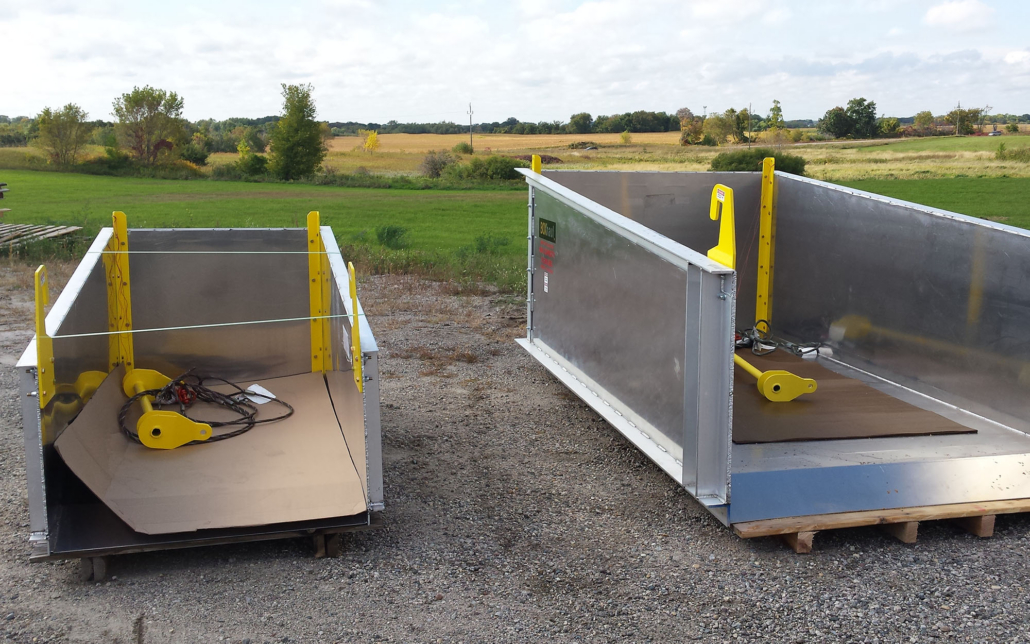
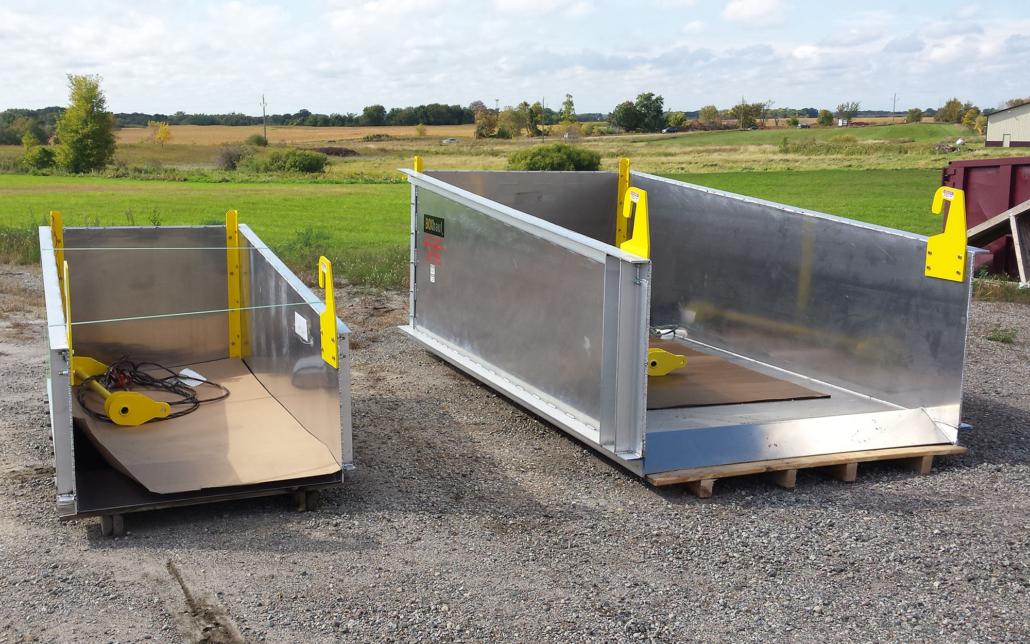
How much material can a BOXhaul hold?
Standard units handle up to 6,600 lbs, with custom builds available for heavier loads.
Does the BOXhaul require hydraulics or power?
No. The self-dumping design relies on gravity, eliminating hydraulic failure points.
Can BOXhaul be customized for my jobsite?
Yes. Sizes, doors, accessories, and configurations can be tailored to your needs.
What equipment is required to operate a BOXhaul?
BOXhaul is compatible with cranes and extended-reach forklifts commonly found on jobsites.
